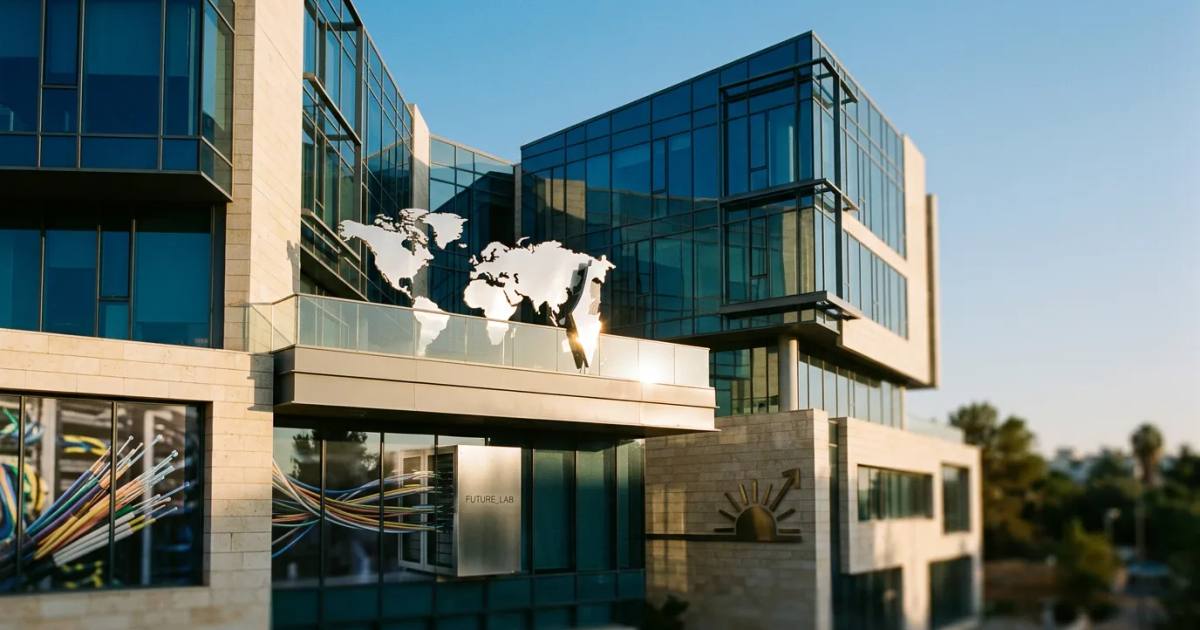
Jerusalem: The Anglo Capital
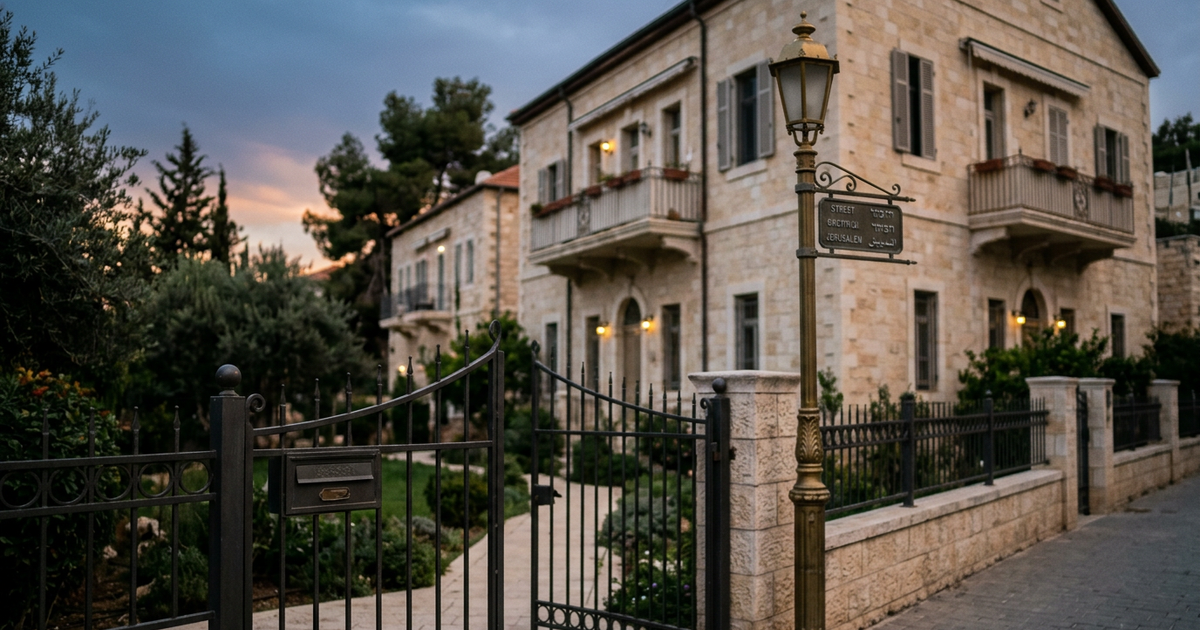
The Anglo capital, neighborhood by neighborhood: Talbiya, the German Colony, Baka, Old Katamon, Rehavia, Mamilla — where American and British diaspora capital comes to live, and the ghost-apartment question it raises.
If Tel Aviv is where Israeli capital lives, Jerusalem is where diaspora capital — American and British above all — comes to live. The city holds the densest concentration of English-speaking olim and foreign property owners in Israel, clustered in a ring of neighborhoods south and west of the center where prices rival Tel Aviv and a meaningful share of apartments sit empty much of the year, owned by families who visit. This is Anglo Jerusalem, neighborhood by neighborhood.
Talbiya
Talbiya (Komemiyut) is the city's most prestigious address — home to embassies, the President's Residence and the Jerusalem Theatre, and to some of the highest residential prices in Israel. Much of its prime stock is foreign-owned.
The German Colony and Baka
The German Colony (HaMoshava HaGermanit), with Emek Refaim's cafés and its Templer houses, is the social heart of Anglo Jerusalem. Adjacent Baka — restored Arab-style homes, gardens, a strong American Modern Orthodox community — is among the most sought-after family neighborhoods in the city.
Old Katamon, Rehavia and Shaarei Chesed
Old Katamon (the San Simon area) pairs Dati Leumi families with a well-known Anglo singles scene. Rehavia and neighboring Shaarei Chesed — historic, central, leafy — draw Anglo professionals, academics and the yeshivish to some of the city's most established streets.
Mamilla, David's Village and the ghost-apartment question
Mamilla and David's Village, beside the Old City walls, are the ultra-luxury tier — pied-à-terres owned by foreign families and the epicenter of Jerusalem's well-documented ghost-apartment phenomenon, where prime homes stand dark for much of the year. It is a recurring municipal and political concern: foreign capital that lifts prices while thinning the resident population of the most central neighborhoods.
Arnona, Har Nof and the wider map
Arnona and Talpiot Mizrach offer newer, relatively more affordable stock and have become the expanding frontier for younger Anglo families. Har Nof, to the west, is Haredi and Yeshivish with a large American and British contingent.
The Anglo belt beyond the city
Families priced out of central Jerusalem, or seeking more space, settle the surrounding belt: Efrat and Gush Etzion to the south, Beit Shemesh and Ramat Beit Shemesh to the west, and Modi'in on the Tel Aviv–Jerusalem corridor — each with deep, organized Anglo communities of its own.
The capital profile
American buyers dominate, with the British close behind. Most buy to live, or to hold for an eventual move, and many gut and rebuild to American specification. Prices in Talbiya and the German Colony rank among the highest in the country. The demand is durable, identity-driven, and relatively insensitive to yield — closer to the legacy-holding logic of prime London than to investment buying.
Related Olam coverage
Where the Diaspora Lives in Israel · Tel Aviv: Where Israeli Capital Lives · French-Jewish Capital and Real Estate: Paris, Netanya, and the Money in Motion