The Israeli Tech Founder Generation
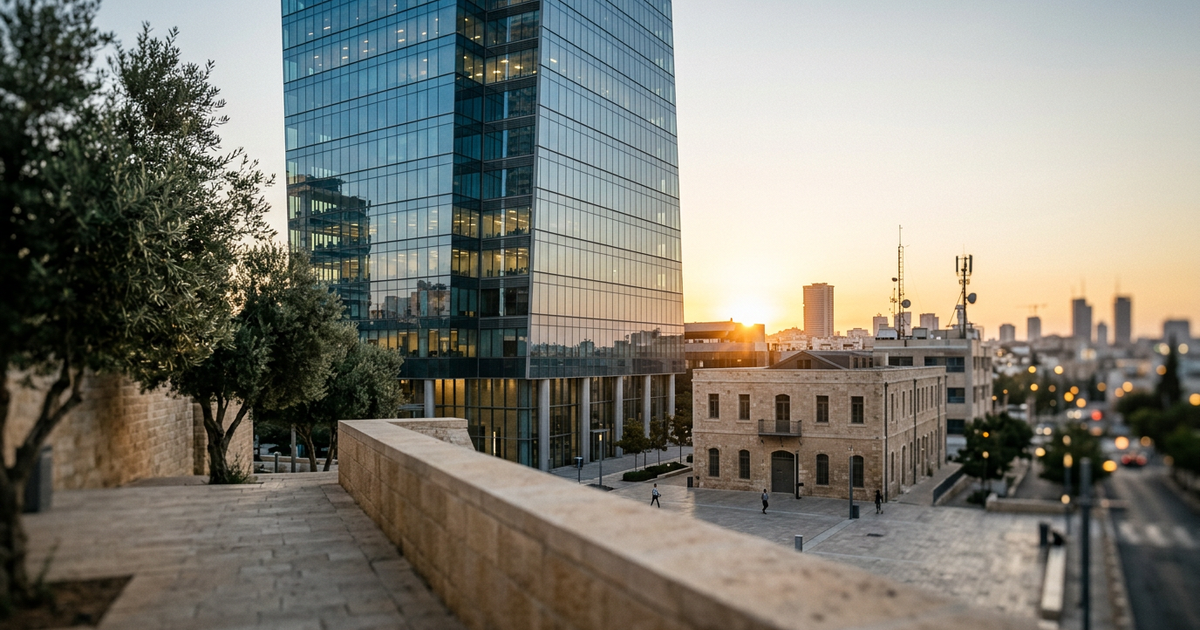
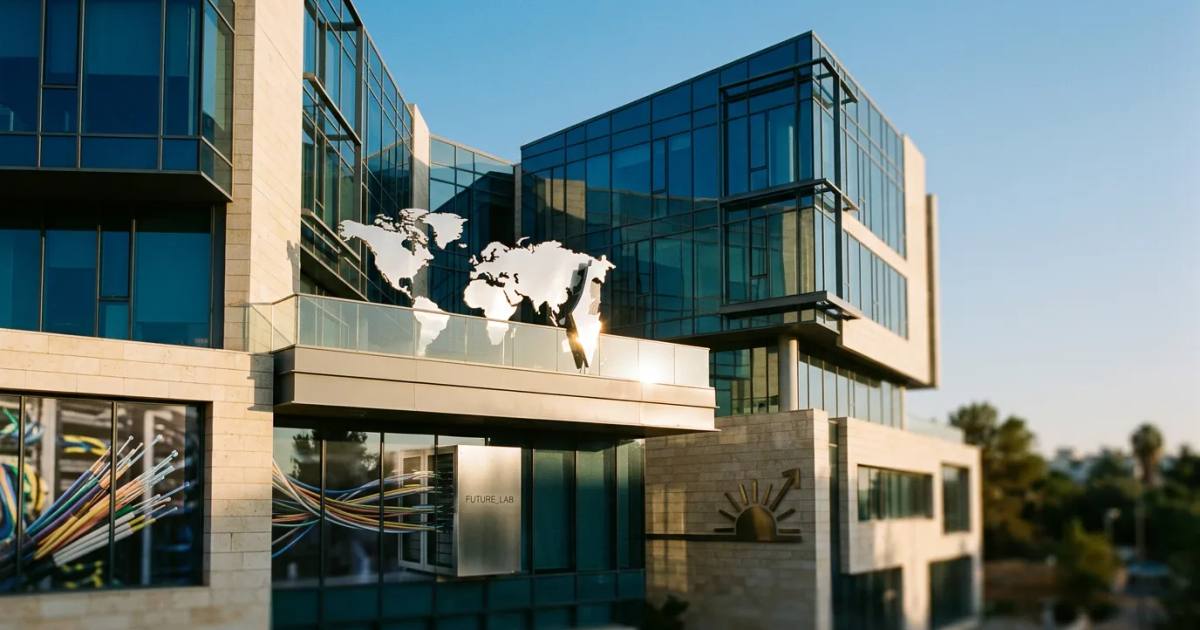
Mobileye, Wix, Monday, Lemonade, ironSource, Lightricks. The post-2010 cycle that built more new Israeli millionaire households than any prior period — plus the AI wave now building the next.
Mobileye, Wix, Monday, Lemonade, ironSource, Lightricks, Verbit, Tipalti. The post-2010 cycle that built more new Israeli millionaire households than any prior period — plus the AI wave now building the next.
Post-2010 Israeli tech has minted more new millionaire and billionaire families than any prior period in Israeli economic history. The cycle produced roughly 100 unicorns between 2018 and 2023 alone. The wealth was distributed through a structured liquidity stack — IPOs, M&A, secondaries, and tender offers — that channeled the upside well beyond the named founders into employees, early-stage VCs, and a broader Israeli investor base.
The Major Exits
Mobileye (Amnon Shashua, Ziv Aviram) — acquired by Intel in 2017 for $15.3 billion, the largest exit in Israeli technology history at the time. Re-IPO'd in 2022 at a $17 billion valuation; current market capitalization has fluctuated with the autonomous-vehicle and ADAS cycle.
ironSource (Tomer Bar-Zeev and co-founders) — acquired by Unity Technologies in 2022 for $4.4 billion; subsequent merger and restructuring complicated the headline value but produced substantial founder and employee liquidity.
Wix.com (Avishai Abrahami, Nadav Abrahami, Giora Kaplan) — IPO'd on Nasdaq in 2013; market capitalization has fluctuated between roughly $5 billion and $11 billion across cycles. Founder ownership remains substantial.
Monday.com (Roy Mann, Eran Zinman) — IPO'd on Nasdaq in 2021 at a roughly $7 billion valuation; market capitalization peaked above $14 billion. Lemonade (Daniel Schreiber, Shai Wininger) — IPO'd 2020 at $1.6 billion, peaked above $7 billion.
The Liquidity Stack
Israeli tech wealth distributed through a structured liquidity stack designed to compensate for the narrowing of the IPO window after 2022. IPOs: Nasdaq (Wix, Monday, Lemonade, Mobileye, Riskified, ironSource, Tipalti), Tel Aviv Stock Exchange (a smaller share of the total), and dual listings. M&A exits: substantially driven by US strategic acquirers — Intel, Nvidia, Salesforce, Cisco, Oracle, Microsoft — with active inbound deal flow.
Employee tender offers: late-stage unicorns ran structured tender programs that allowed employees to sell vested equity to incoming investors without a full company exit. Private-market secondaries: platforms including Forge Global and EquityZen facilitated employee and early-investor liquidity across Israeli unicorns. Structured secondary rounds: late-stage funding rounds with secondary components built in. The cumulative effect was the distribution of multi-billion-dollar liquidity to thousands of Israeli households across the 2018-2023 cycle.
The Unicorn Wave 2018-2023
The 2018-2023 cycle produced an unprecedented density of new Israeli unicorns. Beyond the named majors above: Lightricks (Zeev Farbman) in mobile creative tools. Verbit (Tom Livne) in AI transcription. Tipalti (Chen Amit) in B2B payments. Riskified (Eido Gal) in fraud prevention. Sisense in business intelligence. JFrog in DevOps. Cellebrite in mobile forensics. WalkMe in digital adoption. Snyk in developer security. Most of these traded at peak valuations between $1 billion and $10 billion.
The 2022-2023 reset compressed many of these valuations substantially. The IPO window closed; private-market valuations declined; tender programs slowed. The cohort entered a period of structural recalibration that has only partially reversed through the 2024-2026 AI cycle.
The AI Cycle 2024-2026
The current AI cycle is producing a parallel wave of Israeli unicorns and substantial exits. AI21 Labs (Yoav Shoham, Amnon Shashua) — large language model developer, valued at multi-billion-dollar levels in private rounds. Run:AI — GPU orchestration platform, acquired by Nvidia in 2024 for a reported $700 million. Pinecone (Edo Liberty) — vector database for AI applications. Tabnine — AI code completion. Deci AI — acquired by Nvidia in 2024.
The AI cohort is structurally different from the 2018-2023 SaaS cohort. The founders are typically older (often with prior exits or senior research positions), the capital intensity is higher (GPU compute, model training), and the strategic acquirer set is narrower (Nvidia, OpenAI partners, the major US cloud platforms). The exits are likely to be larger on average but less numerous.
Where the Wealth Went
The 2018-2023 liquidity stack created an estimated tens of thousands of new Israeli households with net worth above $1 million through equity, options, and secondaries. The broader cycle produced several hundred new families above $25 million and a smaller number of new $100M-$1B principals.
Significant portions of the new wealth rotated into Israeli real estate — driving the high-end Tel Aviv, Herzliya Pituah, and Jerusalem residential markets — into family offices (Israeli and US-based), into angel and seed investing back into the next Israeli startup cycle, and into philanthropic vehicles aligned with founder political and social commitments. Some has rotated into US-based asset management, real estate, and venture capital, particularly for founders with US dual residency.
The Next Founders
The IDF Unit 8200 alumni network, Talpiot program, Mamram, and the Hebrew University, Technion, and Tel Aviv University computer science and engineering programs continue to produce the founder pipeline. Post-October 7, reservist-driven companies, defense-tech founders, and AI-aligned veterans have become a distinct sub-cohort. The next decade's Israeli tech billionaire class is being formed inside this pipeline now.
What It Means
The Israeli tech founder economy is the most structurally important new layer in the post-2010 Jewish capital map. It produced both the new billionaire class examined in Spoke 1 and a much broader middle-class wealth distribution across the Israeli economy. The AI cycle is producing the next wave at higher capital intensity and lower transaction count. The wealth is sticky, increasingly institutionalized through family offices, and reinvested into the next generation of Israeli founders.
The capital is real. The institutions are named. The data is the receipt.
Part of the Olam Jewish Capital cluster. Hub: Mapping Jewish Capital 2026. Related: The Israeli Billionaires · The Crypto Wealth · The Family Offices & Dynasties.